Bed Bug Treatment in Spokane, Coeur d’Alene and North Idaho
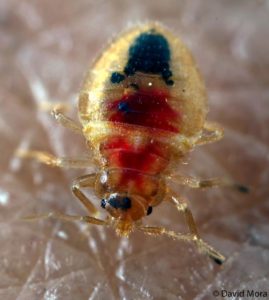
Bottom line with bed bugs is we kill them.
Property Shield treats bed bugs in houses, apartments, rentals and hotels across Spokane, Spokane Valley, Coeur d’Alene, Post Falls, Hayden, Rathdrum, Sandpoint and the Silver Valley. We are a family-owned local company, and we have been dealing with bed bugs since the early 2000s. Over the years we have developed a bed bug protocol that works, without turning your house into an oven, and at a fair price.
Or call 208-889-9222. Monday to Friday 9 to 5, emergency call-outs available.
How we treat bed bugs
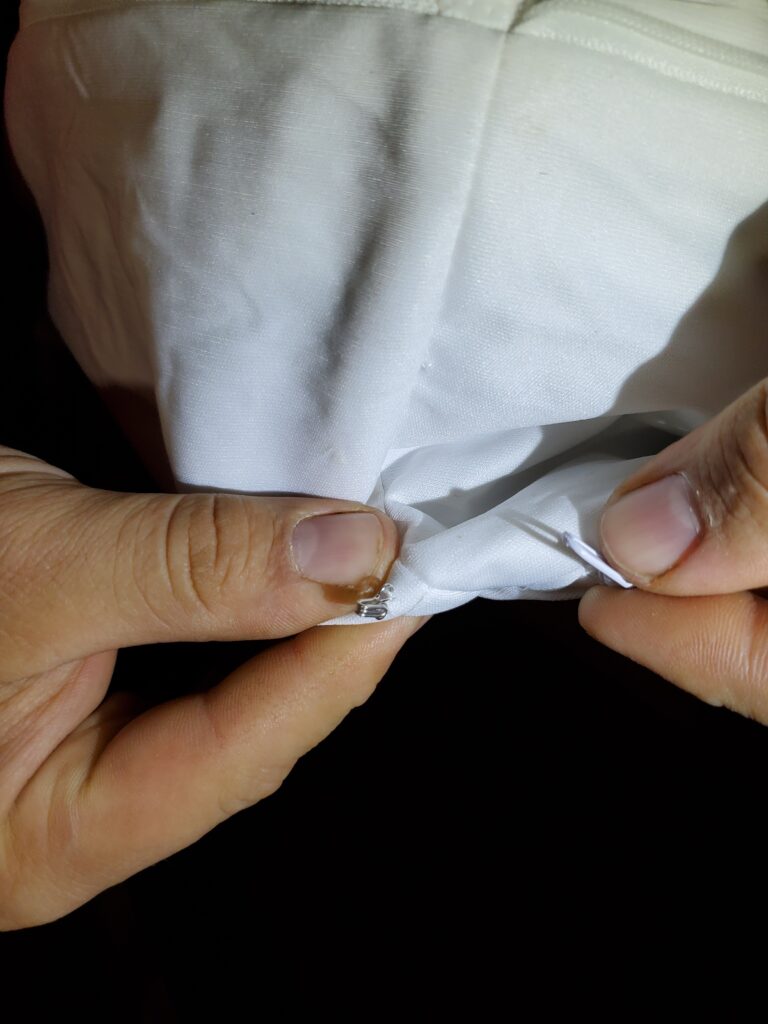
- Inspection. We confirm it really is bed bugs, find where they are hiding and see how far they have spread. Calling early, while it is one bed and not three rooms, is the single biggest money-saver.
- Prep. You get a precise, step-by-step prep list before we come: laundry, clutter, what to leave alone. Good prep is half the job. If in doubt, call us.
- Treatment. We use targeted treatments where bed bugs actually hide: mattress seams, box springs, bed frames, baseboards, outlets and furniture. Products are chosen and applied according to their labels, including the ones that are approved for use on and around beds.
- Follow-up. We inspect the next day to confirm the results and release the home back to you, then up to two more times over 30 days, about two weeks apart, because eggs keep hatching for about two weeks. If we find bed bug activity at a follow-up, we re-treat at no charge.
Why we don’t use a whole-house heater
Research has shown some bed bug populations becoming more tolerant of heat, because bugs with a thicker shell survive the treatment and breed more like them. The “heat only” outfits are becoming the “mostly heat” outfits. Our protocol does not need to turn your home into an oven, which also means no warped vinyl, melted candles or ruined electronics.
At this point, you or someone you know has probably had bed bugs. Infestations are on the rise and there is no sign of them slowing down. If you think you have a bed bug problem, call a Pest Management Professional (PMP) as soon as you can. The products you find at the store, sold to kill bed bugs, do not really work (more on that below). Or skip to some inside info and history.
Bed bug pricing: $150 per room. Every room. No surprises.
Most companies price bed bug work by the square foot, charge for an inspection first, and quote you a number you can’t check. We don’t. Count the rooms in your home — bedrooms, living room, dining room, kitchen, laundry room, bathrooms, hallways — and multiply by $150 (plus tax in WA). That’s the price, and it’s the same price for everyone.
Why we treat every room
Bed bugs don’t stay in the room where you found them. They ride on clothes, laundry baskets and people, and they hide in rooms where nobody has been bitten yet. If we skip a room to save you $150, that room re-infests the rest of the house and you end up paying for the whole job twice. A whole-house treatment done once is the cheapest way to be done with bed bugs, so that’s the only way we do it.
Before we come
When you book, you’ll get our bed bug prep sheet. Fill it out, sign it, and text us a photo of it before your appointment. Prep is what makes the treatment work, and it’s why we can show up ready to rock and roll instead of spending the first hour moving laundry.
Mattress encasements are required. Every mattress, box spring, futon and bean-bag chair in the house needs a certified medical-grade bed bug encasement as part of the treatment, and the guarantee depends on it. Buy them from us or order them yourself online; we honestly don’t mind which, as long as they are on hand when we arrive.
Two things not to do while you wait for us. Please don’t set off bug bombs (total-release foggers). They don’t reach where bed bugs hide; they just chase them deeper into the walls, the furniture and the neighbors’ unit, and the job gets harder and bigger. And please, for the love of all that is good, don’t dump diatomaceous earth everywhere. Breathing that fine dust is bad for your lungs, it doesn’t do much to bed bugs when it’s piled on, and we end up cleaning it up before we can treat. If you feel like you have to do something before we get there, call us and we’ll tell you what actually helps.
Plan to be out for 24 hours. Everyone, pets included, leaves the home for at least 24 hours after the treatment and comes back only after we give you the written all-clear (a text or email is fine). Payment is due before we start, and you can cancel in writing up to 7 a.m. the day before your appointment.
What’s included
Your treatment, a next-day inspection to confirm the results and release the home back to you, and up to two follow-up inspections over the next 30 days, about two weeks apart. If we find bed bug activity at a follow-up, we re-treat at no charge. The guarantee runs 30 days from the initial treatment and is spelled out in the service agreement you sign before we start. (Bed bugs are a one-time service with their own guarantee; the Property Shield Promise covers the pests on our regular plans.)
Watch: Bed Bugs Explained
Tips from the pros
Our free guide 8 Secrets Pest Control Companies Don’t Want You to Know covers the basics for every pest. For bed bugs specifically, keep reading.
What works best?
Prevention. Prevention! PREVENTION!!
It seems that most people report bed bugs a few weeks after they have returned from a trip. If you are traveling, here is what you can do to prevent bringing bed bugs home with you:
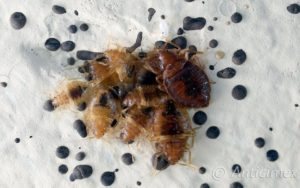
Inspect the beds.
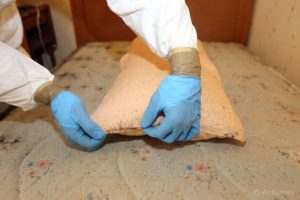
The corners are the most common place to find them on the bed. So look closely for staining (dark patches), dark spots, or even the bed bugs themselves. The rounded edge of fabric around the mattress is another common area they hide in. Look behind the bed and on the bed frame where the corners meet.
Take a look in rooms where you will stay, or have your personal items, for marks on the walls, around the bed itself, and plate covers for outlets and light switches.
If something doesn’t look right consider finding different sleeping arrangements.
Luggage
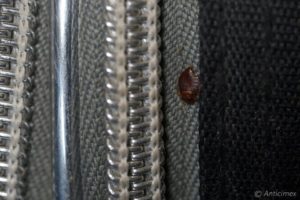
Inspect your luggage before you open it. This means when you arrive at your destination and when you get home. You are more likely to see a hitch-hiking bed bug on your luggage than to find eggs, and other staining.
Electronics
As bed bugs love to hide in these warm areas, if possible, keep electronics in a zip-top bag when not in use.
When you return home
- Keep all your clothing, shoes, luggage in the garage or stored in plastic trash bags until you can launder EVERYTHING!
- Using the hottest setting on your dryer, run everything that can tolerate the heat through for no less than 30 min. (In most dryers this will kill 100% of the eggs and bed bugs inside!)
Second-hand stores:
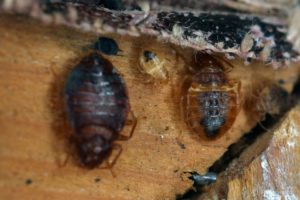
When bringing home second-hand treasures it is important to ensure that you do not bring any unwanted hitchhikers as well. Look in every possible crack and crevice for bugs and eggs. Bed bug eggs look like miniature grains of white rice. If you see dark spots on the item it is time to get suspicious. Dark spots can be just about anything. You do not want them to be “fecal matter” from bed bugs. If you see dark spots investigate the item with even greater care.
If the item is made of fabric consider laundering it. Dry cleaning is great. If that is not an option give the item a 30 min run in the dryer on the high heat setting. Most clothing articles including shoes can take a spin in the dryer. If the item is a must have you can call a PMP (look here is our number 208-889-9222 how did that get here?) have them take a look and treat the item if necessary.
Sofas our best advice is if there is any question about bed bugs and the sofa in question, RUN THE OTHER WAY! It is not going to be worth it!
In the end, the best question to ask is, “If this new item brings bed bugs into my home was it worth the ‘savings’?”
There is no magic in preventing and controlling bed bugs. It takes diligence and hard work.
What does NOT work:
- Dryer sheets come up now and then as a solution for bed bugs. They DO NOT WORK.
- Clean laundry is bed bug free because of the soap, water, agitation, and the blast furnace called a dryer. The dryer alone can be a great help in mitigating the issue. IT WILL NOT RESOLVE AN INFESTATION.
Essential oils:
We LOVE them. We USE them, both personally and professionally. In fact we offer general pest control services that are ESSENTIAL OILS. These products take care of many pests wonderfully.
The companies that make our EPA registered products have not found a blend that works to safely kill bed bugs. If they do find a blend that works we will be first in line…
It is true that bed bugs do avoid certain essential oils, but they have their limitations.
The best I have seen is avoidance of undiluted oil. That is it. If enclosed in a circle of oils they will cross it to feed. Eventually the oils’ effect dissipates and they will be back in full force, and they are hungry. Studies are showing bed bugs can live over 1 year without a feeding. This means that after an entire year of 100% perfect repulsion by essential oils they are still alive. Essential oils will not solve your bed bug problem.
Foggers and “bug bombs:”
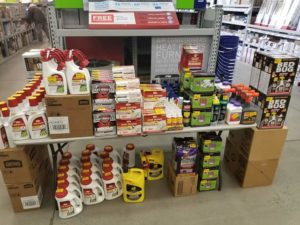
The Washington Department of Health states:
“Bug bombs, or total release foggers, are not effective in controlling bed bugs.”
(https://www.doh.wa.gov/CommunityandEnvironment/Pests/BedBugs).
They said it not me. If you have used these already just stop. When you hear someone has bed bugs pay it forward and tell them not to start.
They can and do make things worse.
How could they make bed bugs worse?
Its application method is incorrect. It blasts up into the air and floats down and lands on top of the surfaces. Bed bugs live under and hide under things. They will not be controlled by chemical applied in this manner. Now you have a house coated in poison that is not even where the bed bugs are hiding. You don’t want that.
Secondly, many of the products available can repel the insect. This may seem good until you realize they are being repelled into other areas of your home.
Finally, the chemicals in the foggers can cause skin irritation. This increased irritation has caused some to think they have bed bugs everywhere.
Almost every job we get called to has a pile of these things somewhere, or a can or two that the resident has missed cleaning up.
They just do not work. If they did you would not be looking for help or even reading this…
Other products:
Read the label. Follow the label. So many products sold over the counter are NOT SAFE to use on your bed or places that your skin touches. The label should tell you if it is safe. If the label does not say to use it in a particular location then DO NOT USE IT THERE!
Borax (Boraxo) has shown no effect on bed bugs. Borax works on ants as a stomach poison. Bed bugs do not have a chewing mouth part. Ants do. This means that when an ant eats borax it will then kill the ant. The ant walking on the borax is not in a considerable amount of danger. Borax is however an eye irritant.
Diatomaceous earth or DE is another product that is common when attempting to remedy bed bugs. This product is most often used in pool filters. It is also used as an abrasive. The dust can cause skin irritation, and if inhaled causes lung irritation. In pest control DE is used as a catalyst, not a poison.
Some Bed Bug inside information and history:
Not many pest control companies are going to be willing to tell you what I am about to…
As Pest Management Professionals we spend hours and hours each and every year studying and accumulating more information on the best ways to take care of pests. These classes are regulated by the EPA and other agencies to ensure their accuracy.
I remember in the early 2000’s sitting in one of these seminars dedicated to Bed Bugs. One thing still stands out almost 20 years later. The instructor, from a major chemical company, flat out said his best advice to the PMP’s in the room was,
“Don’t offer services for bed bugs.”
His reason, at the time, was that they were too hard to control. At the time several family-run pest control companies were tied up in legal proceedings related to bed bugs and their control.
Fast-forward to today. Almost 20 years have passed. This same company now offers some wonderful bed bug solutions to PMP’s. We have learned that to take care of bed bugs requires a few things from a Pest Management Professional.
1. Dedication
2. A willingness to take the time to do the job right
3. Proper preparations prior to any remediation
4. There is NO SILVER BULLET
Research has shown some bed bug populations becoming more tolerant of heat. This appears to happen because bed bugs with a thicker cuticle are surviving treatment and breeding more bed bugs with thicker cuticles. The “heat only” outfits are now becoming the “mostly heat” outfits.
The following is not legal advice!
This is what we would consider doing when moving into a new home or renting a home out…
Who is going to pay for this?
Below is an excerpt from the Washington Department of Health:
“What tenants and landlords can do to control bed bugs?
Tenants – If you suspect bed bugs, notify your landlord immediately.
Landlords – Confirm you have bed bugs and hire a licensed pest control company.
According to the Landlord-Tenant Act, bed bugs should be controlled by the landlord before the tenant moves in. The landlord must continue to control infestations except in single-family dwellings, or when the infestation was caused by the tenant. The tenant is expected to pay for the pest control if they were the cause of the infestation.”
Please keep in mind that as professionals there is little to no way to tell who started the infestation. If the dwelling was previously treated for bed bugs, then there is always a chance that the problem persisted from a previous infestation. If no previous treatment was done the exiting residents could be leaving behind a little “treasure” for the landlords to deal with.
We have seen this and heard exiting residents say they will just leave it for the landlord and or the next guy to deal with.
Our best recommendation is to DOCUMENT EVERYTHING.
Renters –
Keep notes on what you have found. Document when and where you found an issue. Document when you contacted the landlord. Speak to previous renters and get their statements and contact information if there was a previous bed bug issue. Talk to current residents and ask them if they know of any current or past issues with bed bugs specifically. Document and collect contact information.
Landlords –
Document any reports of bed bugs. Document all of your treatments for each dwelling as an individual unit. “Building B was treated for bugs.” is not good enough. “Building B unit 123 was treated on (date) by (who).” Document when they are reinspected and the findings. Also, your service ticket or other documentation from a pest control company should be kept on file for each unit. If you get one ticket make sure each unit treated or inspected is listed and the findings are documented.
Bed bug litigation can get ugly. The truth is that the one with the best documentation usually wins.
Bed bug questions we hear every week
How much does bed bug treatment cost in Spokane or Coeur d’Alene?
$150 per room, plus tax in WA, and every room in the home is treated (see our pricing above). Count your rooms and multiply; that is the price. There is no inspection fee and no sign-up fee, and the next-day inspection, up to two follow-up inspections over 30 days, and any re-treatment they call for are included. Call 208-889-9222 with your room count and we will confirm it on the phone.
Do bed bugs mean my house is dirty?
No. Bed bugs hitchhike on luggage, used furniture, backpacks and visitors. The cleanest home in Spokane can get them from one hotel stay. Clutter gives them more places to hide, but it does not cause them.
Can I get rid of bed bugs myself?
Rarely. Foggers, dryer sheets, essential oils and most store sprays do not work on bed bugs, and several make things worse by scattering them into other rooms (see what does NOT work). The one thing that does help is a hot dryer for 30 minutes on anything that can take it. For the bugs in the bed frame, baseboards and walls, you need a professional.
How many treatments does it take?
Our protocol is built to do the job in one treatment, with every room done the same day. Eggs laid before the treatment keep hatching for about two weeks, which is why prep matters and why we come back: a next-day inspection, then up to two follow-up inspections over 30 days. If we find activity at a follow-up, we re-treat at no charge.
Do I have to throw out my mattress or furniture?
Usually not. Most mattresses, bed frames and sofas can be treated and kept. We will tell you honestly if something is too far gone. Do not drag an infested mattress through the house or leave it by the curb for someone else to pick up.
How soon can you come out?
Call 208-889-9222 Monday to Friday, 9 to 5. Emergency call-outs are available. We serve Spokane, Coeur d’Alene, Post Falls, Hayden, Rathdrum, Sandpoint and the Silver Valley from St. Maries to Wallace and Mullan.
Who pays, the tenant or the landlord?
In Washington the landlord is generally responsible unless the tenant caused the infestation; Idaho rules differ. See the documentation advice above, and keep records either way.
Ready to be done with bed bugs?
Or call 208-889-9222. We really hope this information is helpful; if you have more questions, just ask.